Choosing a whiteboard sounds simple, until you're actually trying to decide between surface types and sizes for a real room. Porcelain or Commercial? Standard Frame or LX Edge Frame? Will a 1200 x 900mm board feel too small once it's on the wall? These are the questions we get asked more than any other at JustBoards — and after another financial year of sales data across our whiteboard, glassboard, and pinboard ranges, the numbers back up what our team has been recommending all along.
Porcelain is the clear favourite, and here's why
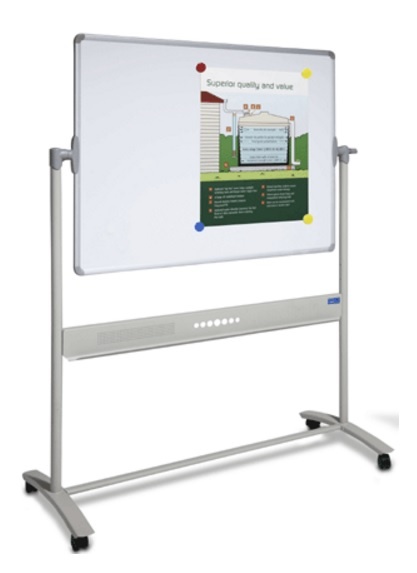
Across our full product range last financial year, porcelain whiteboards were our best-selling board category by a wide margin, well ahead of Commercial Whiteboards and Glassboards combined. That's not a coincidence. Once customers understand the difference between surface types, porcelain tends to win out for a few practical reasons.
It's built to last. Porcelain writing surfaces are fused onto a steel backing at high heat, which makes them far more resistant to scratching, denting, and ghosting (that faint shadow of old marker that never quite erases) than melamine boards. This is why we back our porcelain range with a long-term surface warranty of 25 years. For a board that's going to be erased and rewritten on daily in a busy office, classroom, or hospital corridor, that durability difference adds up fast.
It performs better over time. Melamine surfaces can show wear within a year or two of heavy use, especially with permanent or dry-erase markers left on too long. Porcelain resists staining and keeps a true white finish for the life of the board, which matters if you're putting boards in client-facing spaces, meeting rooms, or anywhere first impressions count.
It's the better long-term investment. Porcelain Whiteboards do cost more upfront than melamine or Commercial Whiteboards, but when you compare the cost per year of use against the warranty period, they're usually the cheaper option over the life of the board. Whiteboards get replaced for one of two reasons: the surface fails, or the size no longer suits the space. A porcelain board removes the first reason from the equation almost entirely.
If your business or facility expects heavy daily use, frequent erasing, or you simply don't want to be replacing boards every few years, porcelain is worth the extra spend.
What size board do you actually need?
This is the second question we get asked constantly and the honest answer is "it depends on the room" — but our sales data gives a useful starting point, because it shows what most Australian businesses are actually choosing once they've measured their space and thought it through.
1200 x 900mm — the most popular size we sell. This was our top-selling board size last financial year and it's easy to see why: it's the standard "office wall" size. It comfortably fits a small meeting room or huddle space without overwhelming the wall, while still giving enough surface area for notes, diagrams and a running task list. If you're not sure what size to order and the wall isn't unusually large or small, this is the safe, popular default.
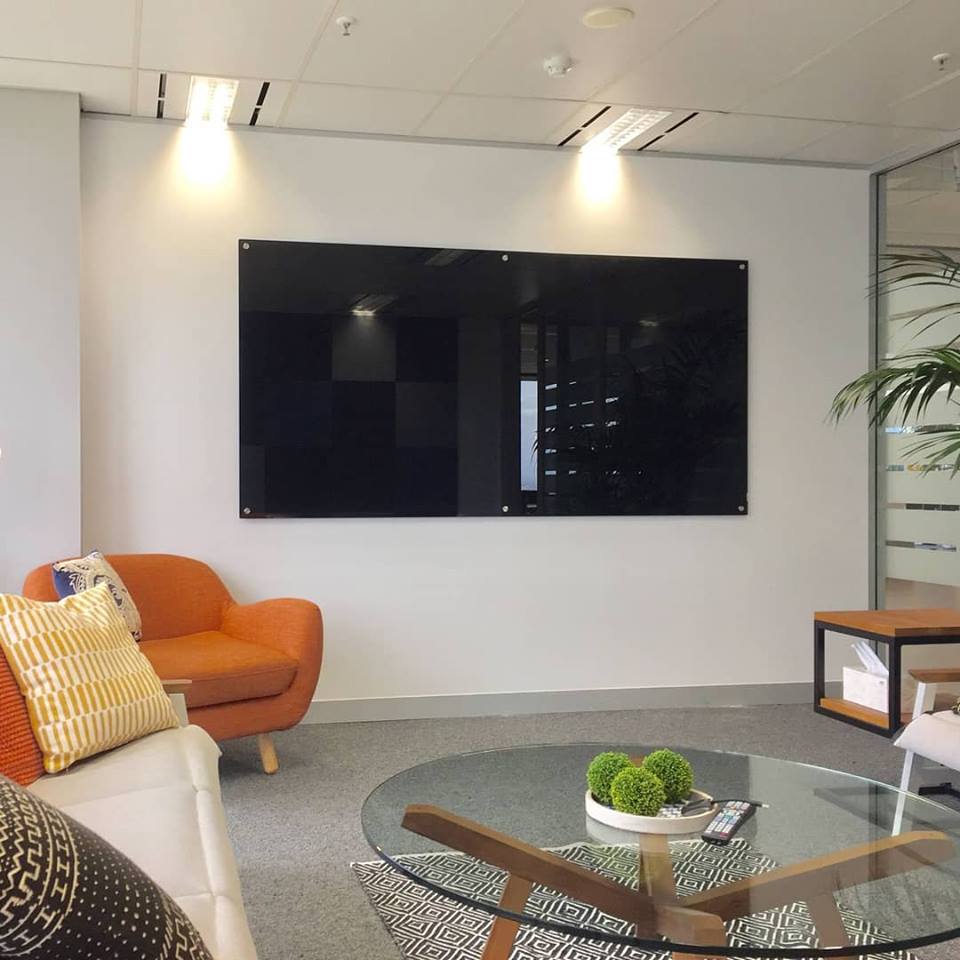
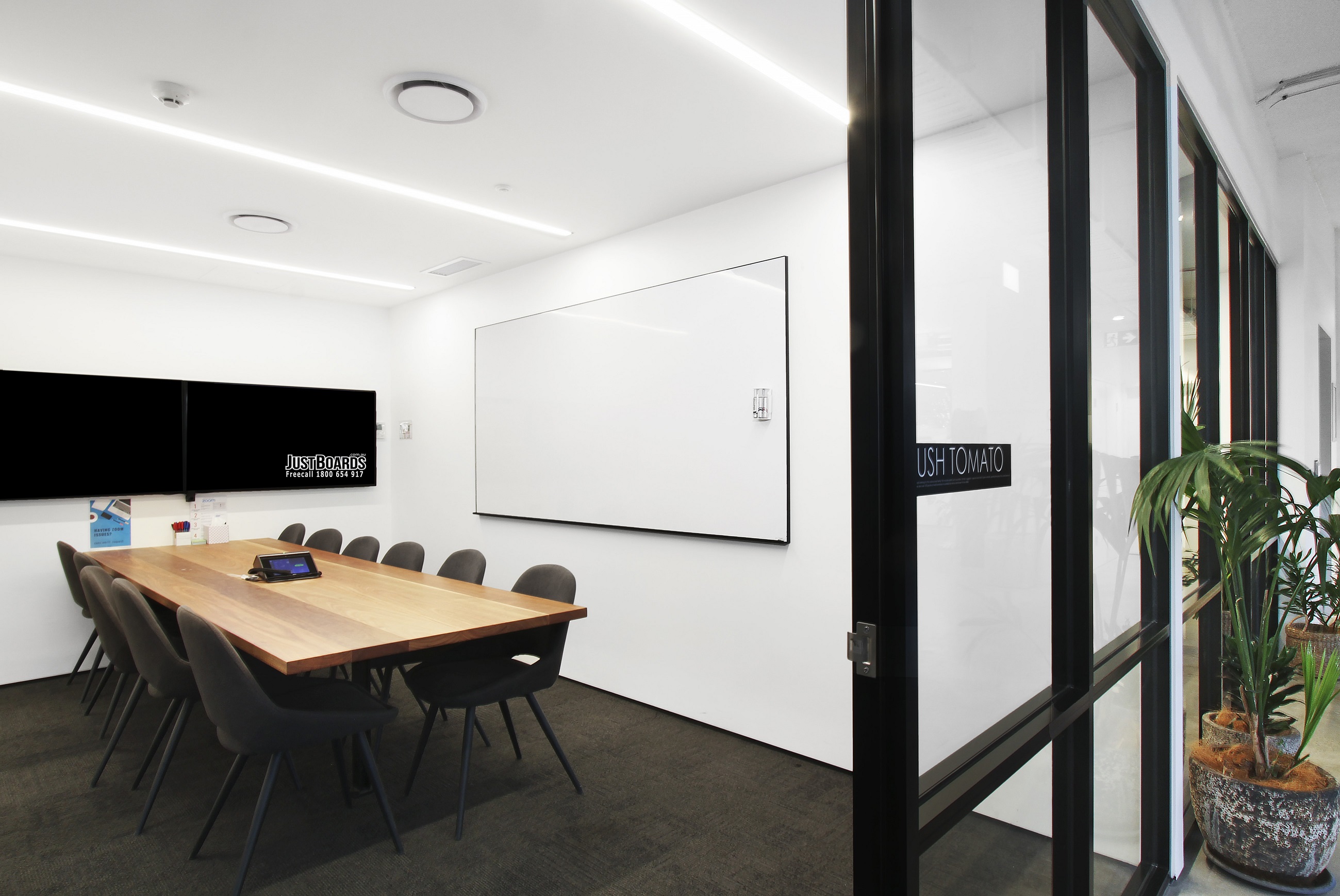
1800 x 1200mm — the boardroom standard. This size is just as popular and tends to be the go-to for larger meeting rooms, training spaces and project rooms where multiple people are gathered around planning, brainstorming, or presenting. It gives enough room to split the board into sections (agenda on one side, working notes on the other) without needing two separate boards.
900 x 600mm — the compact option. Equally popular in our sales data, this smaller size suits tight spaces: home offices, small offices, reception areas, staff rooms, or anywhere a board is useful but wall space is limited.
2400 x 1200mm — for when you need more. Slightly less common but a strong seller in its own right, this larger size shows up most often in training rooms, open-plan offices, and project hubs where teams need a genuinely large working surface, often for ongoing project tracking or whole-team planning sessions.
As a rough rule of thumb: measure your available wall space first, then think about how many people will typically be using the board at once. A board for one or two people taking notes can stay compact. A board that needs to be read from across a room, or used by a group standing around it, should lean toward the larger end.
Standard frame or LX Edge frame?
Once surface and size are sorted, the next decision is the frame and this is where customer preference splits more evenly than you might expect.
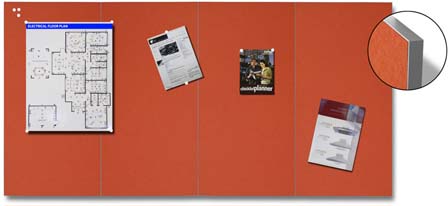
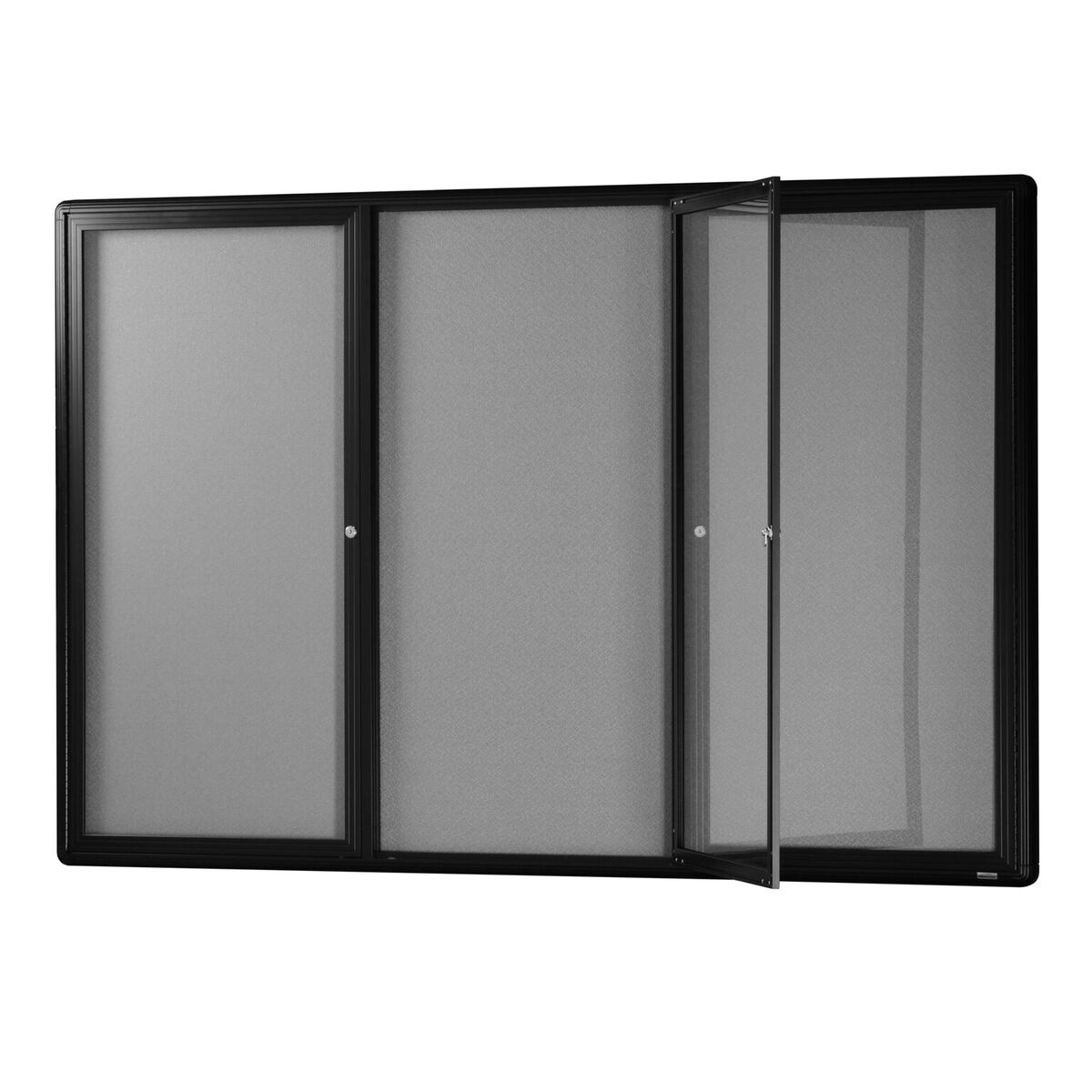
Standard frame remains the most popular choice overall. Across our whiteboard and pinboard ranges, standard-framed boards outsold our premium LX Edge range (which spans the LX6000, LX7000, LX8000, and LX9000 frame styles). It's a dependable, cost-effective option that suits most everyday office, education and commercial fitouts, which is exactly why it remains the default choice for the bulk of our customers. Standard frame is our classic anodised aluminium finish, 20mm thick with neat grey corner caps that double as installation points, making it as easy to mount as it is to live with day to day.
BUT LX Edge punches above its weight. While standard frame wins on volume, the LX Edge frame has a slimmer, more minimalist profile than the standard aluminium frame, which makes it a popular pick for boardrooms, client-facing spaces and fitouts where the aesthetic matters as much as the function. It spans a few different ranges (LX6000, LX7000, LX8000, and LX9000), with options including a silver finish or a powdercoated finish for a more custom look that can tie in with an office's colour scheme or branding.
The trade-off really comes down to aesthetics versus budget. LX Edge costs more, but the slimmer profile and powdercoat option make it ideal for modern workspaces where appearance matters. Standard frame is the dependable, no-fuss option for general use.
So which one is right for you? If you're after a reliable, well-priced board for general use, standard frame will tick every box. If the board is going somewhere visible, like a reception area, executive boardroom, or a space you're showing off to clients, the slimmer LX Edge frame is worth the upgrade.
Choosing what's right for your space
If you're still weighing it up, here's the short version: for most offices and meeting rooms, a 1200 x 900mm or 1800 x 1200mm porcelain whiteboard with a standard frame will cover the vast majority of use cases, and it's exactly what most of our customers end up choosing once they've compared their options. If your space is smaller, 900 x 600mm keeps things proportionate without crowding the wall. If you're fitting out a larger training or project space, 2400 x 1200mm gives you the room to work with. And if the board is going somewhere that needs to look the part, the LX Edge frame is the upgrade worth considering.
Every wall and every team is a little different, so if you'd like a hand thinking through the right surface or size for your space, our team is always happy to talk it through — get in touch with JustBoards and we'll help you find the right fit.